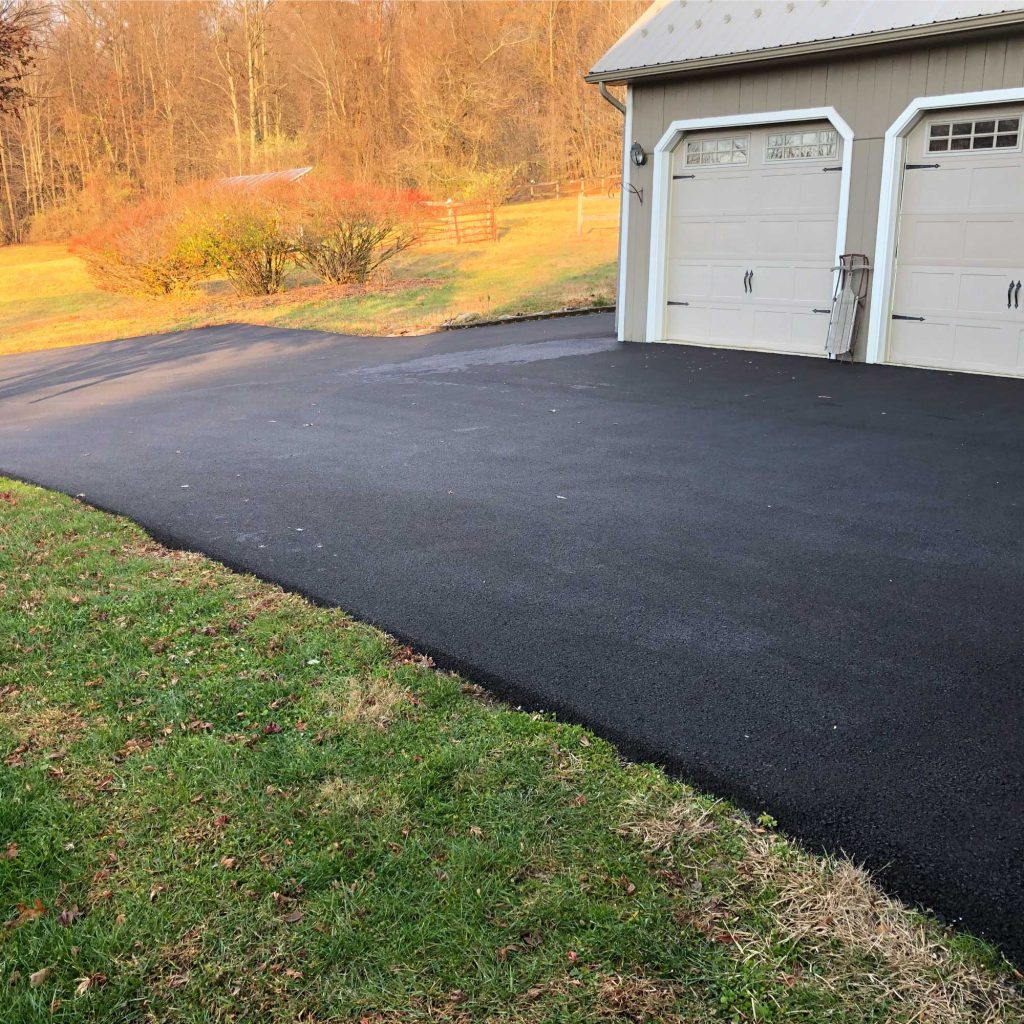
Quick Answer: Preparing your land before paving involves clearing debris, grading the surface, compacting the soil, and ensuring proper drainage. These steps create a stronger foundation for when the paving is done. Without the proper preparation, the completed paving work is more likely to crack, shift, and form potholes.
You walk out to look over where your new driveway or parking lot will go. At first glance, it looks fine, just dirt and open space.
But then you notice a dip where water has collected. A soft patch under your feet. Maybe even uneven ground that slopes the wrong way.
That’s where most paving problems begin. Not on the surface, but underneath it.
Before any asphalt is laid, the real work happens below. And how that ground is prepared decides whether your pavement lasts for years or starts breaking down sooner than it should.
Why Proper Land Preparation Matters
A good paving job really starts before any asphalt shows up.
It starts with what’s underneath.
When the ground isn’t prepared the right way, problems don’t take long to show up. You might see cracks earlier than expected. Water starts sitting where it shouldn’t. Parts of the surface can dip or shift, and before you know it, you’re dealing with potholes.
Most of the time, those issues trace back to what was missed at the beginning.
When the prep work is done right, everything above it holds up better. The surface stays even. Water moves away like it should. And you’re not constantly thinking about repairs.
Key Steps to Prepare Your Land Before Paving
So what actually goes into getting the ground ready?
- Site Clearing: First, everything in the way has to go. That includes roots, rocks, and debris that can weaken the base later on.
- Grading and Leveling: The goal is a smooth, even surface that also allows water to run off instead of collecting.
- Soil Compaction: Loose soil is a problem waiting to happen. Compacting it tight helps prevent dips and shifting after paving the land.
- Drainage Planning: Water needs somewhere to go. Taking the time to direct it away from the paved area helps protect both the surface and any structures nearby.
- Base Installation: This is the layer that holds everything together. A properly installed and compacted base gives the pavement the strength it needs to last.
Each step builds on the one before it. Skipping even one can lead to problems down the road.
Who This Matters Most For
Should you be planning a new driveway at home, a parking area for your business, or a durable surface for agricultural use, the preparation stage is where you protect your investment.
It’s easy to focus on how the finished surface will look, but the real value comes from how well it holds up over time.
Ready to Get It Done the Right Way?
Preparing your land for paving doesn’t have to feel overwhelming when you have the right team guiding you through it.
Arlan R. Wessner Inc. works with homeowners, businesses, and agricultural clients to make sure every project starts with a solid foundation.
👉 Schedule a site evaluation and get clear on what your land needs before paving begins.
Frequently Asked Questions
How long does land preparation take?
The timeline depends on the size and condition of the site, but most projects take anywhere from a day to several days before paving begins. Our project planning team takes the time to ensure a clear and smooth process before preparation starts.
Can I skip excavation to save money?
Skipping preparation often leads to higher repair costs later. It’s one of the most important parts of the process.
What happens if drainage isn’t handled correctly?
Water can weaken the base, causing cracks, potholes, and surface failure over time. Failing to consider drainage can accelerate water damage and lead to more frequent repairs or a complete re-paving.
When is the best time to prepare land for paving?
Spring through fall is ideal, when the ground is not frozen and conditions allow for proper compaction.